
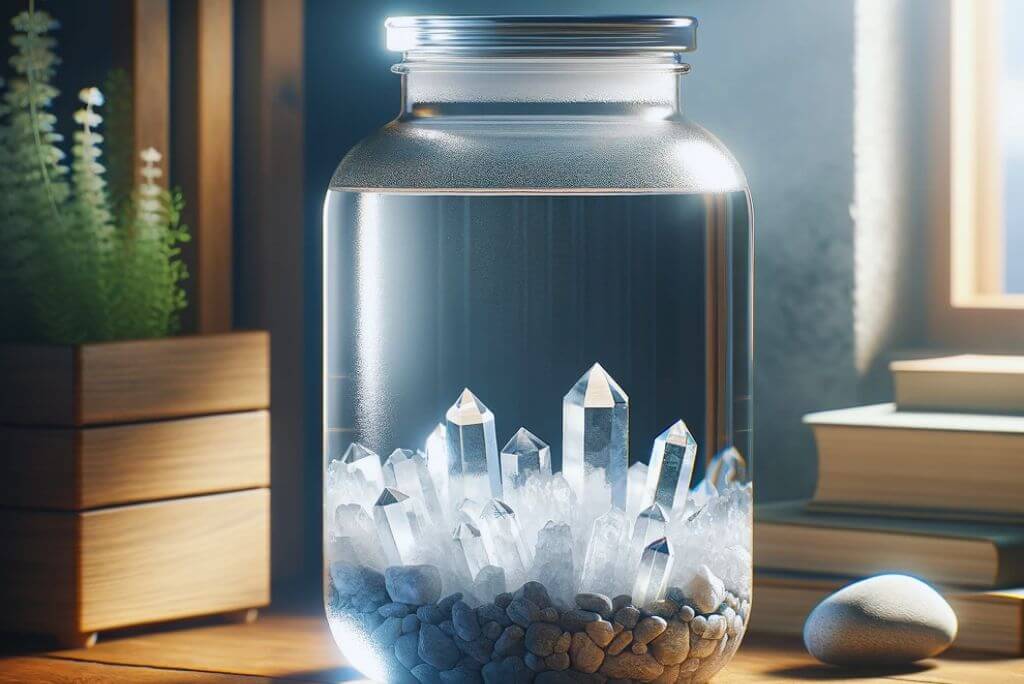
Crystal-infused water has become a popular addition to modern wellness routines, especially for those seeking a more intentional approach to daily hydration. While many people focus on choosing crystals and carefully preparing the water, one critical factor is often overlooked: the proper way to store crystal-infused water.
Storage plays a direct role in maintaining freshness, cleanliness, and safety. Even if your preparation process is done correctly, poor storage can quickly reduce water quality and increase the risk of contamination. Understanding the correct way to store crystal-infused water ensures that your hydration remains safe, consistent, and enjoyable.
This guide explains how to store crystal-infused water properly, including the best containers, ideal storage conditions, and the recommended time before consumption.
Why Proper Storage Matters for Crystal Infused Water
Water is highly sensitive to its surroundings. It can absorb odors, airborne particles, and bacteria if not handled and stored correctly. Once prepared, crystal-infused water should be treated with the same care as any drinking water.
The right way to store crystal-infused water helps prevent:
- Bacterial growth from stagnant water
- Contamination from improper containers
- Reduced freshness due to heat and light exposure
- Airborne particles entering the water
Proper storage is not complicated, but it requires consistency. Clean containers, controlled temperature, and proper handling all contribute to maintaining safe and high-quality water.
What Is Crystal Infused Water?
Crystal-infused water is water prepared with selected crystals using either direct or indirect methods. Regardless of how it is prepared, once the process is complete, the water must follow standard food safety and hygiene practices.
This means using clean equipment, storing it properly, and consuming it within a safe timeframe. At its core, crystal-infused water is still drinking water, and its safety depends entirely on how it is handled.
Thought in Motion presents this practice as part of a mindful and elevated hydration routine. By focusing on quality, consistency, and intentional habits, it encourages individuals to be more aware of how they care for what they consume daily.
The Best Container for Storing Crystal Infused Water
Choosing the right container is the foundation for storing crystal-infused water properly. The material you use directly affects safety and freshness.
1. Glass Containers
Glass is the most reliable option for storing crystal-infused water. It is non-reactive, meaning it does not interact with the water or release unwanted substances. It also does not retain odors or flavors, making it ideal for repeated use.
Both clear and dark glass bottles are suitable. Dark glass provides added protection against light exposure, helping maintain freshness.
Example: A sealed glass bottle stored in the refrigerator can keep crystal-infused water fresh throughout the day without affecting taste or quality.
If you are building a more mindful beverage routine, browse Thought in Motion’s wellness-focused water and elixir experience for inspiration on making hydration feel more intentional.
2. Stainless Steel Containers
High-quality stainless steel is another good option. It is durable, corrosion-resistant, and suitable for everyday use, especially for people who need a portable solution.
However, stainless steel containers should be cleaned thoroughly after each use to prevent residue buildup.
3. Plastic Containers
Plastic containers should be used with caution. Even food-grade plastic can degrade over time, especially when exposed to heat. This may affect water quality.
If plastic is used, it should be BPA-free and used only for short-term storage. For long-term use, glass remains the preferred choice.
Should You Cover Crystal Infused Water?
Yes, covering your container is an essential part of the proper way to store crystal-infused water.
An uncovered container allows dust, airborne particles, and insects to enter the water. Even in a clean environment, exposure to air increases the risk of contamination.
Using a secure lid is the best option. If a lid is not available, a clean cloth can be used temporarily, but it should not replace a proper seal.
Keeping the container covered helps maintain both cleanliness and freshness.
Where to Store Crystal Infused Water
The location where you store your water significantly impacts its quality.
The best storage conditions include:
- A cool area away from direct sunlight
- A space that is not exposed to heat sources such as kitchen appliances
- A clean surface free from strong odors
- Refrigeration, especially in warmer climates
Refrigeration is the most reliable option. Lower temperatures help slow down bacterial growth and maintain freshness.
Heat and sunlight can quickly affect water quality. For consistent results, storing crystal-infused water in a refrigerator is highly recommended.
How Long Does Crystal Infused Water Last?
A common question when discussing the way to store crystal-infused water is how long it remains safe to drink.
The recommended consumption window is 24 to 48 hours. During this period, the water remains fresh when stored properly.
After 48 hours, the risk of bacterial growth increases. Even if the water is refrigerated, it should not be stored for extended periods.
Preparing smaller batches more frequently is a better approach. This ensures consistent quality and reduces the risk of contamination.
Example: Preparing a fresh batch daily instead of storing large quantities for several days helps maintain better taste and safety.
Signs That Crystal-Infused Water Should Be Discarded
It is important to recognize when your water is no longer safe to drink.
Watch for these signs:
- Cloudy appearance
- Unusual or unpleasant smell
- Changes in taste
- Visible particles in the water
- Slimy texture inside the container
If any of these are present, discard the water immediately. Clean both the container and the crystals thoroughly before preparing a new batch.
Conclusion
Getting the most out of crystal-infused water comes down to the basics: the right container, the right temperature, and consistent attention to hygiene. Glass containers, refrigerated storage, and a 24–48 hour consumption window are the core habits that keep your water fresh and safe.
If you’re looking for a convenient, well-crafted option, explore Thought in Motion’s crystal-infused water and make it a simple, enjoyable part of your daily wellness routine.
FAQs
What is the safest way to store crystal-infused water?
Use a clean glass container with a secure lid, keep it refrigerated, and consume it within 24 to 48 hours.
Can I leave crystal-infused water at room temperature?
Yes, but only for a short period. If you plan to drink it the same day, room temperature is acceptable. Refrigeration is better for anything beyond a few hours.
How long does crystal-infused water last?
Ideally within one to two days. After 48 hours, the risk of bacterial growth increases even with refrigeration.
Is glass better than plastic for storing crystal-infused water?
Yes. Glass is non-reactive and won’t release chemicals into the water, making it the most reliable storage option.
How do I know if crystal-infused water has gone bad?
Cloudiness, unusual smell, or a change in taste are all signs to discard the water immediately.